What Is Meningitis? Causes, Symptoms, Bacterial Meningitis.
Meningitis is a potentially life-threatening condition that requires immediate medical attention. Although it is not as common as many other infections, its effects can be severe if diagnosis and treatment are delayed. The condition causes inflammation of the protective membranes surrounding the brain and spinal cord, which can lead to serious neurological complications.
Many people mistake its early symptoms for the flu or a common viral illness. However, recognizing the warning signs and seeking prompt medical care can significantly improve recovery. According to Dr. Amit Deora, Neurologist in Indore, timely diagnosis and appropriate treatment are essential for protecting brain health and preventing long-term complications.
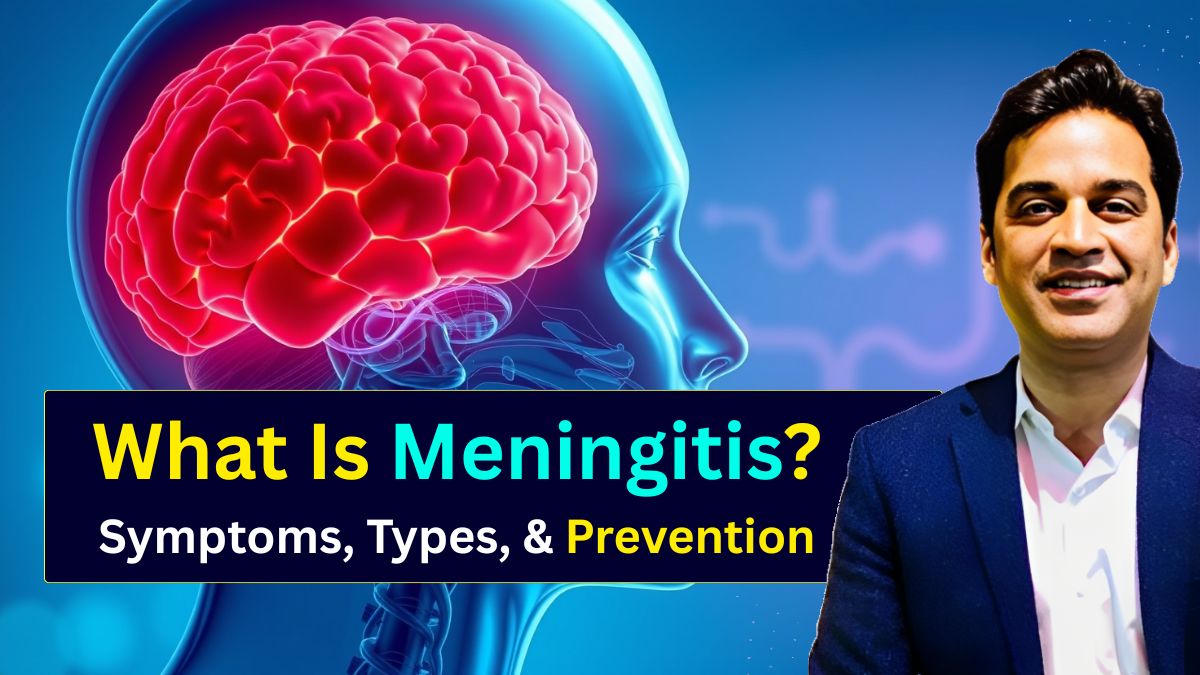
What Is Meningitis?
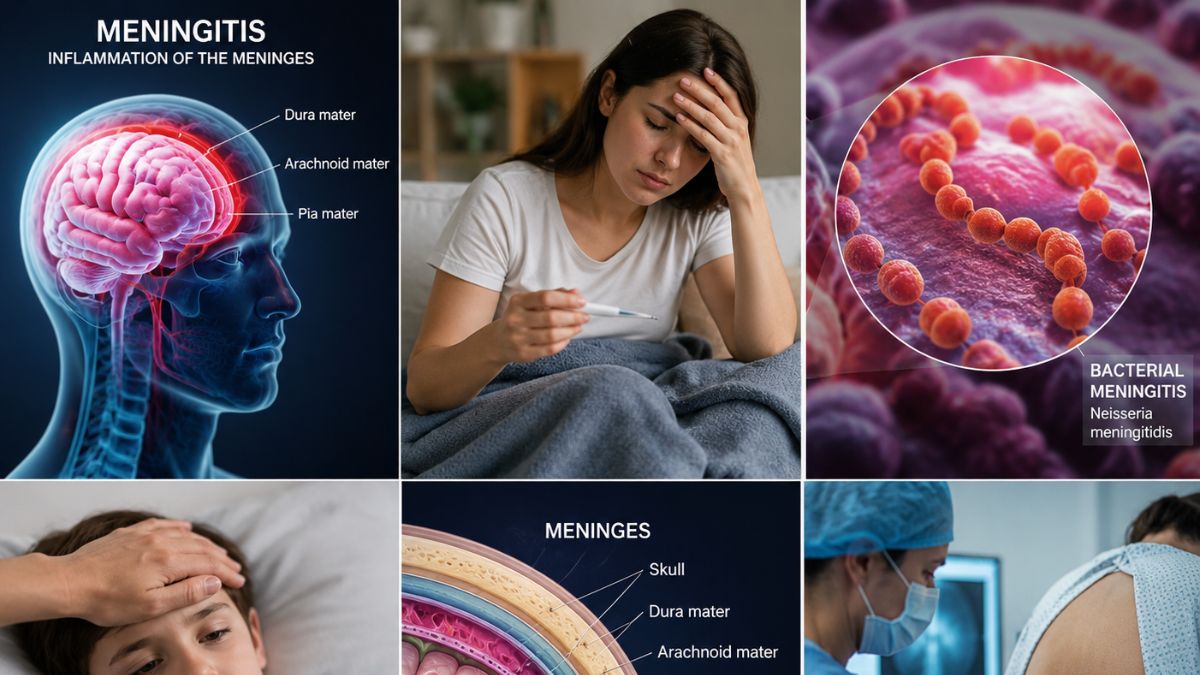
Meningitis is an inflammation of the meninges, the thin protective layers that cover the brain and spinal cord. This inflammation is most often caused by infections, but it may also occur due to certain medications, autoimmune disorders, or, in rare cases, cancer.
The condition can affect people of any age, including infants, children, teenagers, adults, and older individuals. Depending on the underlying cause, it may range from mild to life-threatening. While some viral infections resolve with supportive care, bacterial infections require urgent hospitalization and antibiotic treatment.
How Does Meningitis Occur?
This condition develops when bacteria, viruses, fungi, or other microorganisms enter the bloodstream and reach the protective tissues surrounding the central nervous system. In some cases, infections of the ears, sinuses, or throat may spread to nearby tissues.
Individuals with weakened immunity, recent head injuries, or certain medical conditions may have a higher risk of developing this neurological infection. Living in crowded settings or having prolonged close contact with an infected person can also increase the likelihood of transmission for specific forms of the disease.
Is Meningitis Contagious?
Whether the illness is contagious depends on its cause.
Some viral infections and certain bacterial forms, especially meningococcal disease, can spread through respiratory droplets produced while coughing, sneezing, kissing, or sharing eating utensils. However, not every type spreads from one person to another.
For example, fungal infections usually do not spread through casual contact. Practicing good hygiene, washing hands regularly, covering coughs and sneezes, and staying up to date with recommended vaccinations are effective ways to reduce the risk.
What Are the Symptoms of Meningitis?
The symptoms often begin suddenly and may become severe within a short period. Common warning signs include:
- High fever
- Persistent or severe headache
- Neck stiffness
- Nausea and vomiting
- Sensitivity to bright light
- Confusion or difficulty concentrating
- Excessive sleepiness
- Seizures
- Loss of appetite
- Skin rash in some bacterial infections
Infants and young babies may not show the typical symptoms seen in adults. Instead, they may become unusually irritable, refuse feeding, cry continuously, appear excessively sleepy, or develop a bulging soft spot on the head. Any of these signs should be evaluated by a healthcare professional without delay.

What Are the Symptoms of Bacterial Meningitis?
Bacterial meningitis is one of the most dangerous forms because it can worsen rapidly within hours. Early recognition is critical for successful treatment.
Typical symptoms include:
- Sudden high fever
- Severe headache
- Stiff neck
- Confusion or altered consciousness
- Difficulty waking up
- Vomiting
- Sensitivity to light
- Seizures
- A purple or reddish skin rash in some patients
Without prompt treatment, this bacterial brain infection can result in hearing loss, brain damage, stroke, or even death. Immediate hospitalization is necessary whenever bacterial infection is suspected.
What Is Aseptic Meningitis?
Aseptic meningitis refers to inflammation of the meninges that is not caused by the common bacteria responsible for bacterial disease. It is most frequently linked to viral infections but may also occur because of certain medications, autoimmune diseases, or inflammatory conditions.
Compared with bacterial infection, aseptic meningitis is usually milder. Most patients recover completely with adequate rest, hydration, and supportive treatment. Even so, medical evaluation remains important because the initial symptoms can resemble more serious conditions.
What Is Meningococcal Meningitis?
Meningococcal meningitis is caused by the bacterium Neisseria meningitidis. It spreads through close personal contact, including coughing, sneezing, kissing, or prolonged exposure to respiratory secretions.
This infection can progress very quickly and may also lead to bloodstream infection, known as septicemia. Vaccination plays a major role in preventing this disease, particularly among children, adolescents, college students, travelers, and individuals with weakened immune systems.
What Is Spinal Meningitis?
The term spinal meningitis is commonly used because the inflammation affects the protective coverings of both the brain and spinal cord. It does not mean that only the spine is involved.
Doctors diagnose this condition using a combination of physical examination, blood tests, brain imaging when necessary, and a lumbar puncture (spinal tap) to examine cerebrospinal fluid. Accurate diagnosis helps determine the exact cause and guides the most effective treatment plan.
How Do Children Get Meningitis?
Children are more susceptible because their immune systems are still developing. Germs that cause this illness can spread through coughing, sneezing, close contact, or contaminated respiratory droplets.
Newborns may acquire certain infections during childbirth, while older children often become infected through contact with classmates, family members, or other close companions carrying the bacteria or viruses.
Routine childhood immunizations have significantly reduced the number of serious bacterial infections. Parents should never ignore persistent fever, unusual drowsiness, poor feeding, repeated vomiting, seizures, or neck stiffness, as these symptoms require urgent medical attention.
Prevention and When to Seek Medical Help
Although not every case can be prevented, several simple measures can lower the risk of infection:
- Stay up to date with recommended vaccinations.
- Wash your hands regularly.
- Avoid sharing drinks, utensils, or personal items.
- Cover your mouth and nose while coughing or sneezing.
- Maintain a healthy immune system through proper nutrition and adequate sleep.
Anyone experiencing sudden fever, severe headache, neck stiffness, confusion, seizures, or altered consciousness should seek emergency medical care immediately. Early treatment offers the best chance of a full recovery and reduces the likelihood of permanent neurological damage.
Conclusion
Meningitis is a serious medical emergency that should never be ignored. Understanding its causes, symptoms, and different forms can help individuals recognize the condition early and seek timely treatment. While viral infections are often less severe, bacterial forms require immediate medical intervention to prevent life-threatening complications.