Understanding Pediatric Brain Tumors: Genetics, Risk Factors, and Neurosurgical Care
Hearing that a child may have a brain tumor is one of the most difficult experiences a family can face. While the diagnosis can be overwhelming, advancements in medical science have significantly improved the ability to diagnose and treat these conditions. Raising awareness about pediatric brain tumors helps parents recognize warning signs early and seek timely medical care. Understanding the causes, risk factors, and treatment options can empower families and improve outcomes for affected children.
What Are Pediatric Brain Tumors?
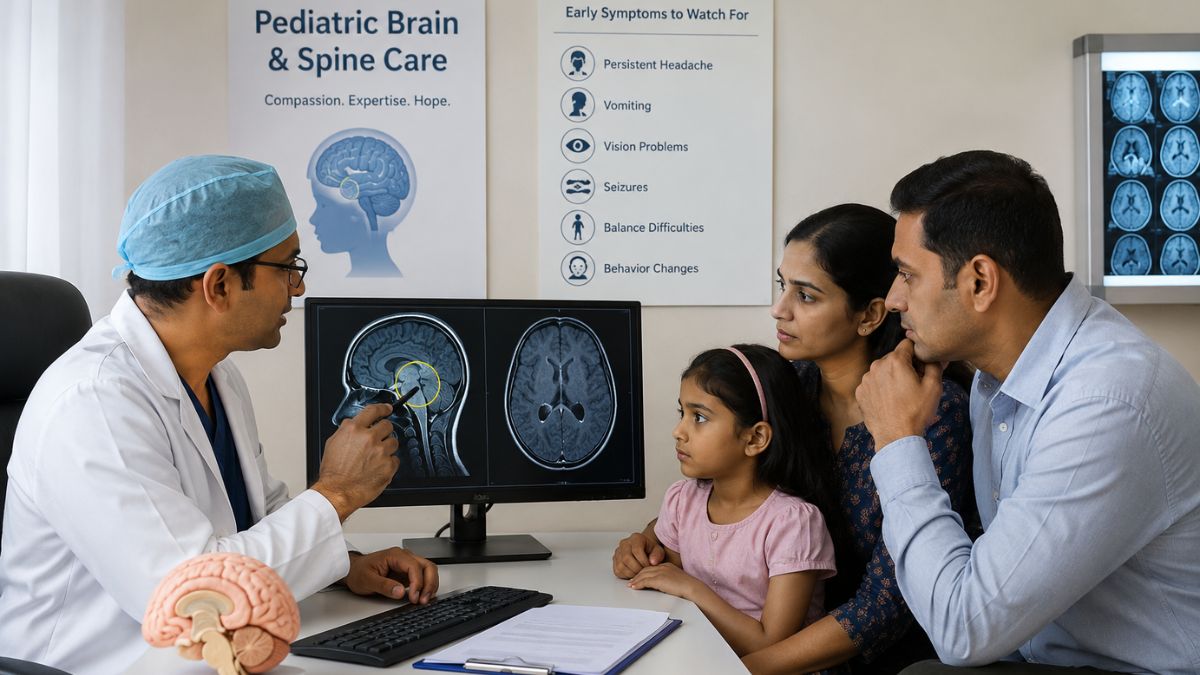
Pediatric brain tumors are abnormal growths of cells that develop within a child’s brain or surrounding tissues. These tumors can be either benign (non-cancerous) or malignant (cancerous). Regardless of their nature, they can affect important brain functions because the skull provides limited space for expansion.
Children with brain tumors may experience symptoms such as persistent headaches, vomiting, vision problems, balance difficulties, seizures, behavioral changes, or developmental delays. Since these symptoms can resemble other childhood illnesses, early medical evaluation is essential for accurate diagnosis and treatment.
What Types of Brain Tumors Occur in Children?
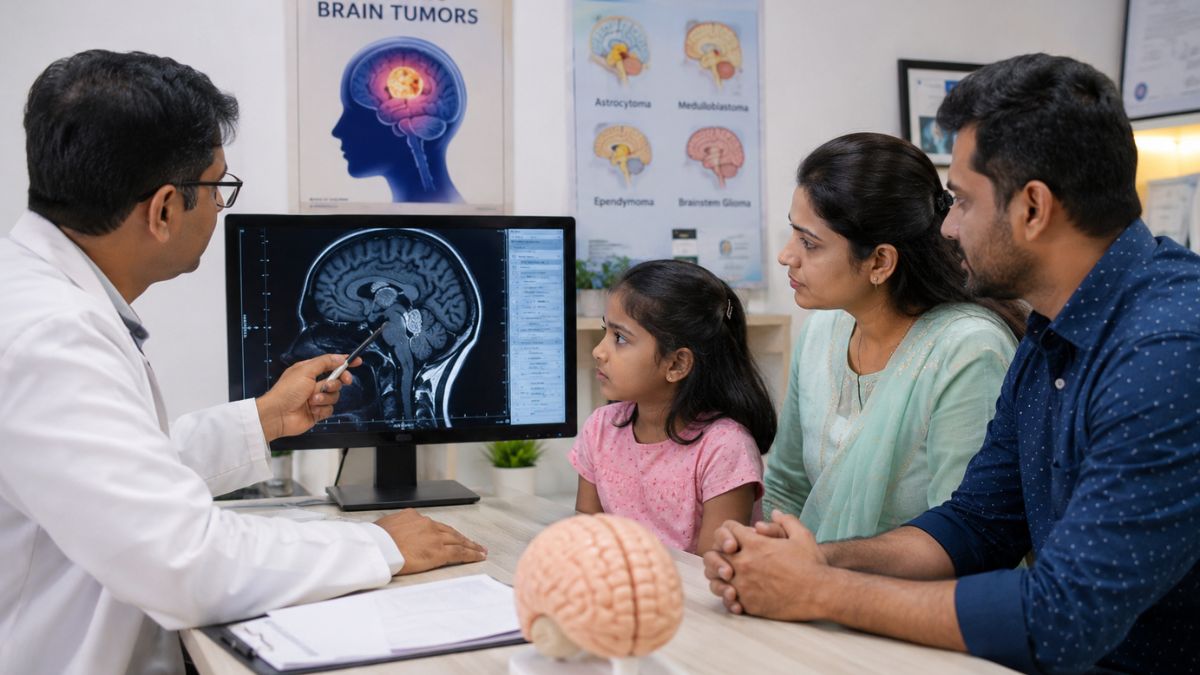
Several different types of brain tumors can affect children. Some of the most commonly diagnosed include:
- Astrocytomas
- Medulloblastomas
- Ependymomas
- Brainstem gliomas
- Craniopharyngiomas
- Germ cell tumors
Each type differs in location, growth pattern, and treatment requirements. Some tumors grow slowly and may be managed successfully with surgery alone, while others require a combination of surgery, chemotherapy, and radiation therapy.
What Is the Most Common Pediatric Brain Tumor?
Among the various childhood brain tumors, pilocytic astrocytoma is considered one of the most common. It is usually a low-grade tumor that grows slowly and often has a favorable prognosis when diagnosed and treated early.
Another frequently diagnosed tumor in children is medulloblastoma, which typically develops in the cerebellum, the part of the brain responsible for balance and coordination. Because every child’s condition is unique, treatment plans are carefully tailored to the tumor type and location.
What Causes Pediatric Brain Tumors?
The exact cause of most pediatric brain tumors remains unknown. Unlike many adult cancers, childhood brain tumors are generally not linked to lifestyle factors such as smoking, diet, or environmental habits.
Researchers believe that changes in the DNA of brain cells can lead to abnormal cell growth. These genetic alterations may occur randomly during development. Scientists continue to study potential risk factors to better understand why some children develop brain tumors while others do not.
It is important for parents to understand that nothing they did caused their child’s condition. In most cases, there is no identifiable action or exposure responsible for the tumor’s development.

Are Pediatric Brain Tumors Genetic?
Some pediatric brain tumors may be associated with inherited genetic conditions, but the majority are not directly passed from parents to children.
Certain rare syndromes, such as Neurofibromatosis, Li-Fraumeni syndrome, and Tuberous Sclerosis Complex, can increase the likelihood of developing brain tumors. However, these cases represent only a small percentage of diagnoses.
If there is a strong family history of cancer or inherited disorders, doctors may recommend genetic counseling and specialized testing. Understanding genetic factors can help guide treatment decisions and long-term monitoring.
Can a Severe Injury Cause a Pediatric Brain Tumor?
A common misconception is that a severe head injury can cause a brain tumor. Current medical evidence does not support this belief. Trauma may lead to symptoms that prompt brain imaging, which can unexpectedly reveal a tumor that was already present.
In other words, an injury does not create a brain tumor. Instead, it may simply bring attention to symptoms that had not been recognized previously. Parents should be reassured that accidental falls or childhood injuries are not considered causes of brain tumors.
What Is the Role of Neurosurgeons in Treating Pediatric Brain Tumors?
Neurosurgeons are responsible for several critical aspects of brain tumor management. Their role often begins with evaluating imaging studies and determining whether surgery is necessary.
Key responsibilities of a neurosurgeon include:
- Performing biopsies to confirm the diagnosis
- Removing as much of the tumor as safely possible
- Relieving pressure within the brain
- Preserving important neurological functions
- Collaborating with oncologists and rehabilitation specialists
Modern neurosurgical techniques, including advanced imaging guidance and minimally invasive approaches, have improved both safety and outcomes for children undergoing brain surgery.
Experienced specialists such as Dr. Amit Deora, Neurosurgeon in Indore, emphasize individualized treatment planning to achieve the best possible results while protecting the child’s quality of life.
Conclusion
Awareness and early diagnosis can make a significant difference in the treatment of pediatric brain tumors. Although the exact causes are often unknown, understanding risk factors, genetic influences, and available treatment options helps families navigate this challenging journey with confidence.
Advances in neurosurgical care continue to improve outcomes, offering hope to children and their loved ones. If a child experiences persistent neurological symptoms, seeking prompt evaluation from an experienced specialist can be the first step toward effective treatment and recovery.