
Peripheral Nerve Injury Treatment: : Everything You Need to Know
Peripheral nerves play a vital role in our everyday life—helping us move, feel, and respond to the world around us. When these nerves are damaged, even simple activities like walking, holding objects, or sensing touch can become difficult. Understanding peripheral nerve injury treatment is essential for timely care and full recovery.
What is a Peripheral Nerve, and How Does It Work?
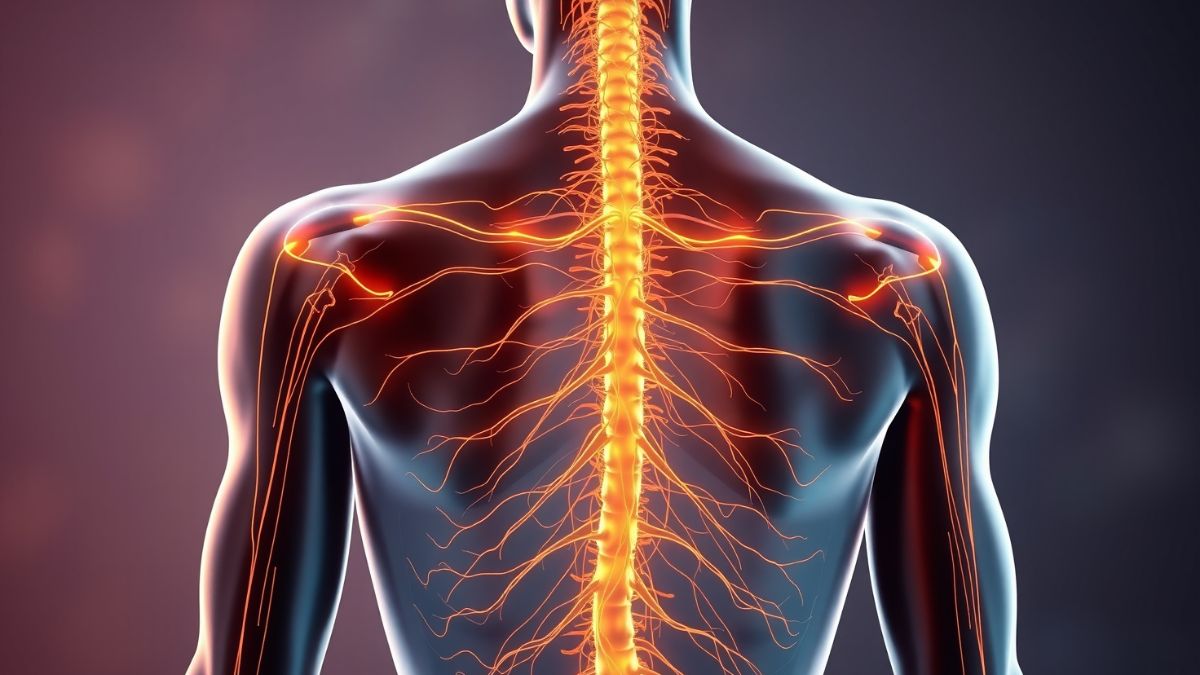
Peripheral nerves are the network of nerves that lie outside the brain and spinal cord. They act as communication lines, carrying signals between the central nervous system and the rest of the body. These nerves control muscle movement, sensation (like touch, pain, and temperature), and even automatic functions such as sweating.
When they function properly, they ensure smooth coordination. However, any disruption to this system may require treatment of peripheral nerve injury to restore normal function.
What is a Peripheral Nerve Injury?
A peripheral nerve injury occurs when these nerves are stretched, compressed, or completely cut. The severity can range from mild (temporary numbness) to severe (loss of movement or sensation).
Patients often experience symptoms such as:
- Tingling or “pins and needles”
- Muscle weakness
- Burning pain
- Loss of coordination
Early diagnosis is important because timely treatment of peripheral nerve injury can prevent permanent damage.
Why Does Peripheral Nerve Damage Occur?
Peripheral nerve damage can happen due to several reasons, including:
- Trauma or accidents (cuts, fractures, or crush injuries)
- Repetitive strain or pressure on nerves
- Diabetes and other medical conditions
- Tumors or infections
- Poor blood supply to nerves
According to experienced neurosurgeons like Dr. Amit Deora, identifying the exact cause is the first step toward effective peripheral nerve injury treatment, as each case requires a personalized approach.

Who Treats Peripheral Nerve Disorders?
Peripheral nerve disorders are typically treated by specialists such as neurologists and neurosurgeons. In complex cases, a neurosurgeon is often the best choice because they are trained in both diagnosis and surgical management.
Experts like Dr. Amit Deora focus on advanced peripheral nerve injury treatment, combining medical therapy, physiotherapy, and surgery when required to achieve the best outcomes for patients.
What is Peripheral Nerve Decompression Surgery?
Peripheral nerve decompression surgery is a procedure used when a nerve is compressed or trapped. This condition is common in disorders like carpal tunnel syndrome.
During the surgery, the pressure on the nerve is relieved by removing or adjusting surrounding tissues. This helps restore normal nerve function and reduces pain, numbness, and weakness.
For many patients, decompression is an effective form of peripheral nerve injury treatment, especially when conservative methods fail.
What Happens During Peripheral Nerve Surgery?
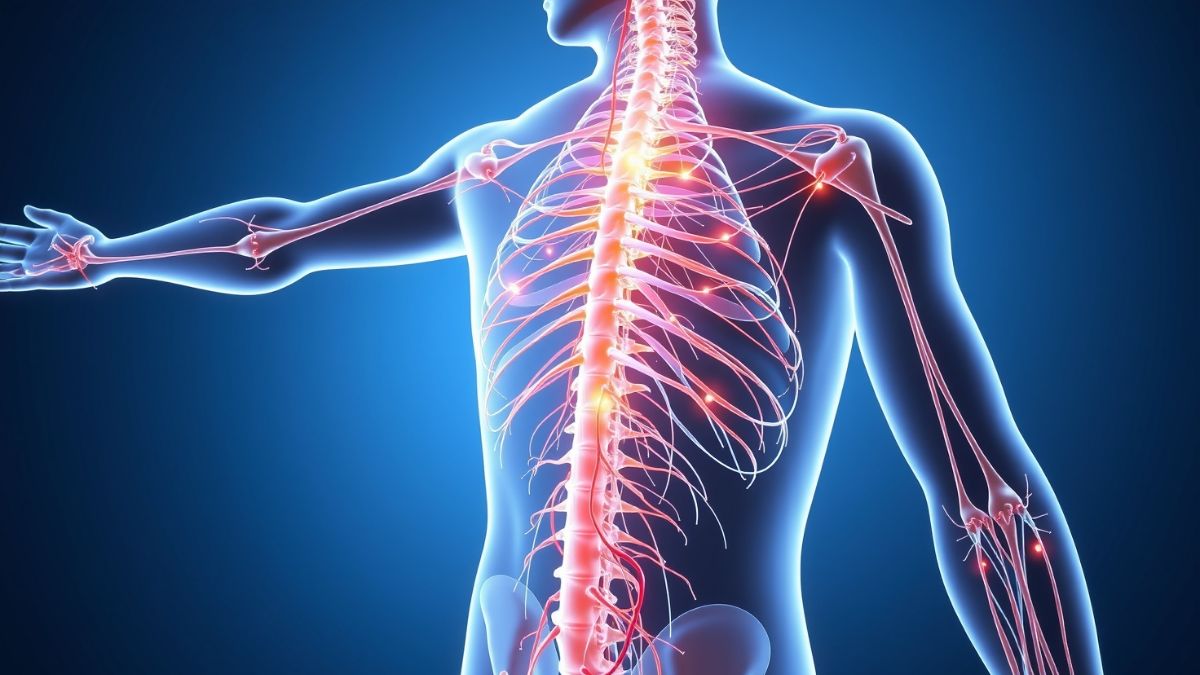
Peripheral nerve surgery depends on the type and severity of the injury. The main goals are to repair the damaged nerve and restore function.
Common surgical approaches include:
- Nerve repair: Reconnecting the ends of a severed nerve
- Nerve grafting: Using a healthy nerve segment to bridge gaps
- Nerve transfer: Redirecting nearby nerves to restore function
Dr. Amit Deora emphasizes that modern techniques in peripheral nerve injury treatment have significantly improved recovery rates, especially when surgery is performed at the right time.
What is Peripheral Nerve Stimulator Surgery?
Peripheral nerve stimulator surgery is an advanced procedure used mainly for chronic pain management. A small device is implanted near the affected nerve, which sends mild electrical signals to block pain signals from reaching the brain.
This method is particularly useful for patients who do not respond to traditional treatment options for peripheral nerve injuries. It provides long-term relief and improves quality of life without excessive reliance on medications.

How Long Does a Peripheral Nerve Block Last?
A peripheral nerve block is a temporary pain relief technique where an anesthetic is injected near the nerve. It is commonly used during and after surgery.
The duration can vary:
- Short-acting blocks last a few hours
- Long-acting blocks may last up to 24 hours or more
Although not a permanent solution, nerve blocks are often a helpful part of peripheral nerve injury treatment, especially in controlling post-surgical pain.
What is the Cost of Peripheral Nerve Surgery?
The cost of peripheral nerve surgery can vary depending on several factors:
- Type and complexity of the procedure
- Hospital and location
- Surgeon’s expertise
- Post-surgical care and rehabilitation
In India, costs typically range from moderate to high depending on these factors. Consult with Dr. Amit Deora, a neurosurgeon in Indore. He can provide an accurate estimate tailored to the patient’s condition and the treatment required for the peripheral nerve injury.
Recovery After Peripheral Nerve Injury Treatment
Recovery depends on the severity of the injury and the type of treatment used. Nerves heal slowly, so patience and proper rehabilitation are essential.
Key aspects of recovery include:
- Physiotherapy to regain strength and movement
- Regular follow-ups with the doctor
- Maintaining a healthy lifestyle
- Avoiding activities that may strain the nerve
With the right treatment for peripheral nerve injury, many patients experience significant improvement and return to normal life.
Final Thoughts
Neurologist in Indore Dr. Amit Deora is a highly experienced neurosurgeon known for his expertise in treating complex neurological and nerve-related conditions. With a patient-centric approach, he focuses on accurate diagnosis, advanced surgical techniques, and compassionate care.
His approach to peripheral nerve injury treatment combines clinical precision with personalized care, ensuring that each patient receives the most suitable treatment plan. Patients trust him for his dedication, clear communication, and commitment to long-term recovery.