Common Neurological Disorders Explained: Answers to the Questions Everyone Asks
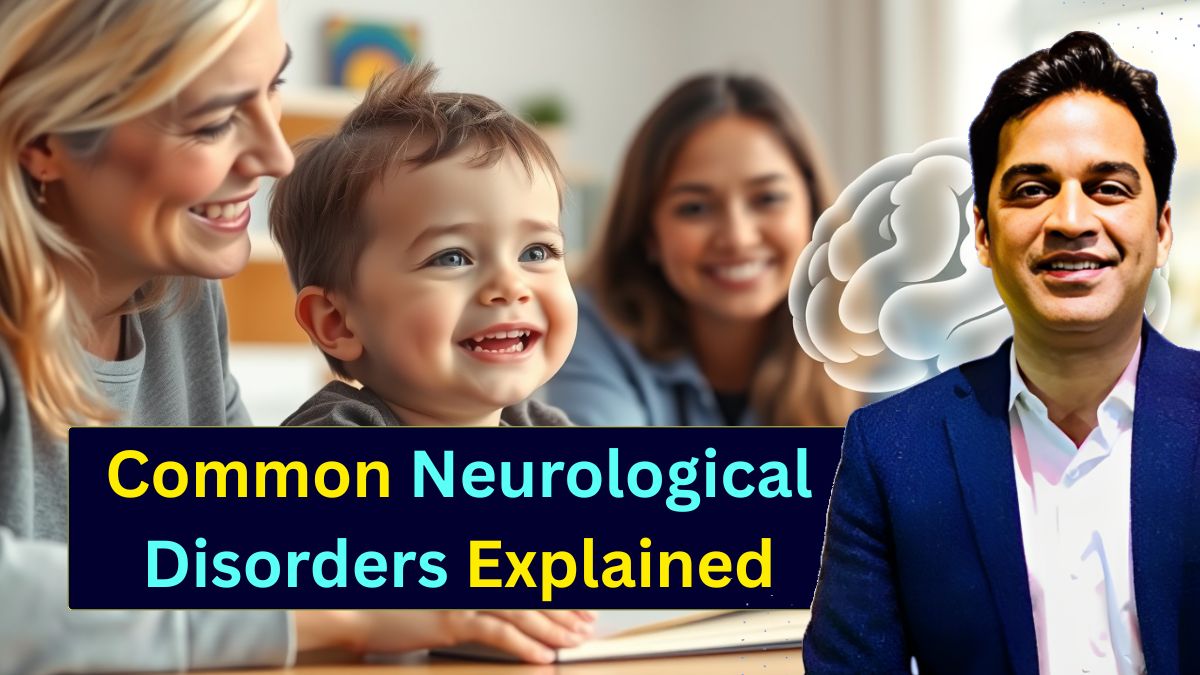
Our brain and nervous system control everything from movement and memory to emotions and thinking. When something affects this complex system, it may lead to neurological disorders, which can have a significant impact on daily life. Unfortunately, many people confuse neurological conditions with mental health disorders or assume that every brain-related symptom points to the same problem.
Understanding the facts is the first step toward early diagnosis and effective treatment. Dr. Amit Deora, Neurological Disorder Specialist in Indore, believes that recognizing symptoms early and consulting a qualified specialist can improve outcomes and help patients maintain a better quality of life. This guide answers some of the most frequently asked questions about neurological disorders and clears up common misconceptions.
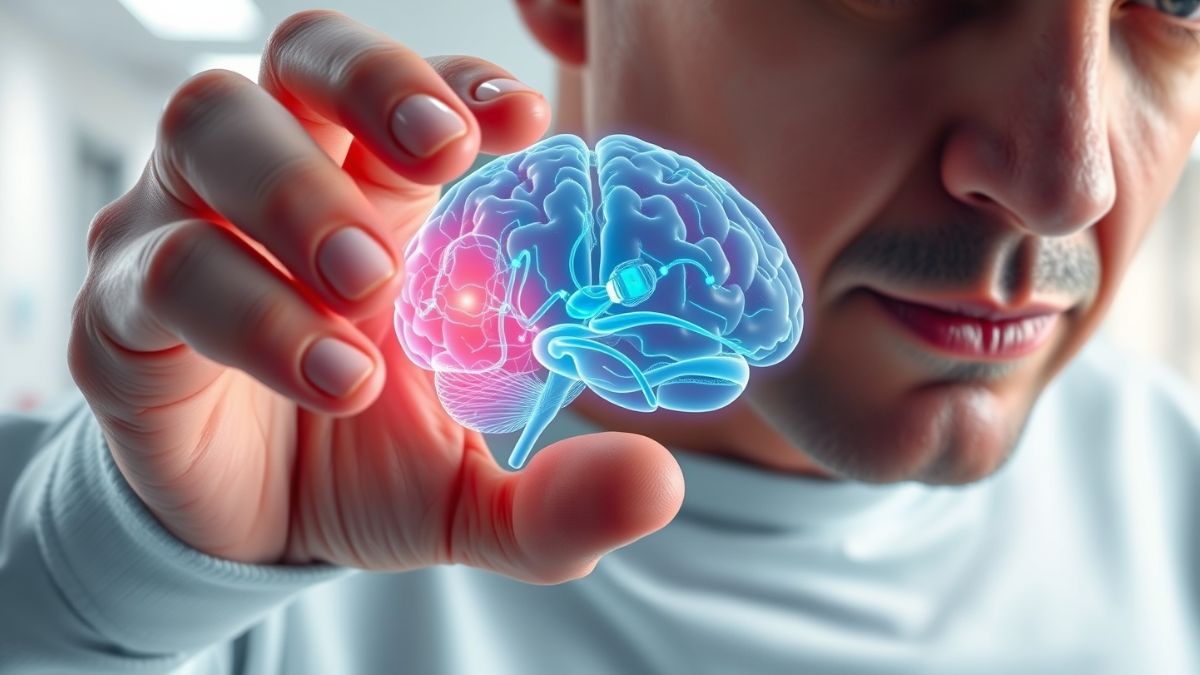
What Is a Functional Neuro-logical Disorder (FND)?
A Functional Neurological Disorder (FND) is a condition in which a person experiences genuine neurological symptoms even though standard brain scans or other tests may not show structural damage. The problem lies in how the brain sends and receives signals rather than in permanent injury to the nervous system.
People with FND may experience symptoms such as weakness, tremors, difficulty walking, seizures that are not caused by epilepsy, speech problems, or changes in sensation. Because these symptoms are real, they should never be dismissed as “imaginary.” Early evaluation by a specialist is important for proper diagnosis and treatment.
What Causes Functional Neurological Disorder?
The exact cause of FND is still being studied, but researchers believe that several factors may contribute to the condition. Emotional stress, physical trauma, infections, previous neurological illnesses, or significant life events may trigger symptoms in some individuals. In others, no clear trigger is identified.
Modern research suggests that FND develops because the brain’s normal communication pathways become disrupted, affecting movement, sensation, or other neurological functions. Treatment often includes a combination of neurological care, physiotherapy, psychological support, and lifestyle modifications depending on the individual’s symptoms.

Can Excessive Stress Lead to Neurological Disorders?
Stress alone does not directly cause most neurological disorders, but chronic and unmanaged stress can worsen existing neurological conditions and may increase the risk of certain health problems. Long-term stress can affect sleep, blood pressure, concentration, and overall brain health.
For individuals with conditions such as migraines, epilepsy, or FND, stress may trigger or intensify symptoms. Learning healthy coping strategies, maintaining a balanced lifestyle, exercising regularly, and seeking medical advice when symptoms persist can help reduce the impact of stress on the nervous system.
Is Anxiety a Neurological Disorder?
Anxiety is generally classified as a mental health disorder, not a neurological disorder. However, anxiety and neurological disorders are closely connected because both involve the brain and nervous system.
Some neurological conditions can produce anxiety-like symptoms, while persistent anxiety may affect concentration, sleep, and physical well-being. Since symptoms may overlap, a thorough medical evaluation is essential to determine the underlying cause and provide the right treatment.

Is Depression a Neurological Disorder?
Depression is also considered a mental health condition rather than a neurological disorder. Nevertheless, it frequently occurs alongside neurological disorders such as Parkinson’s disease, stroke, multiple sclerosis, and Alzheimer’s disease.
Changes in brain chemistry, chronic illness, and reduced quality of life can contribute to depression in people with neurological conditions. Proper treatment may include counseling, medication, lifestyle changes, and ongoing medical supervision to support both emotional and neurological health.
Is an Epileptic Seizure a Neurological Disorder?
An epileptic seizure itself is a symptom, while epilepsy is a chronic neurological disorder characterized by recurrent, unprovoked seizures. Seizures occur because of abnormal electrical activity in the brain.
Not every seizure means a person has epilepsy. Fever, head injury, infections, metabolic disturbances, or certain medications can also trigger seizures. A neurologist may recommend brain imaging, blood tests, or an EEG to identify the underlying cause and develop an appropriate treatment plan.
Is Alzheimer’s a Neurological Disorder?
Yes. Alzheimer’s disease is a progressive neurological disorder that primarily affects memory, thinking, reasoning, and behavior. It is the most common cause of dementia in older adults.
Early symptoms often include forgetfulness, difficulty finding words, confusion with familiar tasks, and changes in judgment. While there is currently no cure, early diagnosis, medication, cognitive therapy, and supportive care can help manage symptoms and improve quality of life.
Is Down Syndrome a Neurological Disorder?
No. Down syndrome is a genetic condition caused by the presence of an extra copy of chromosome 21. Although it is not classified as a neurological disorder, it can affect brain development and intellectual functioning.
Individuals with Down syndrome may experience developmental delays and may have a higher risk of certain neurological conditions later in life. Early intervention, educational support, and regular medical care play an important role in helping individuals achieve their full potential.

When Should You Consult a Neurological Disorder Specialist?
You should seek medical advice if you experience persistent headaches, repeated seizures, weakness in the arms or legs, difficulty speaking, memory loss, numbness, balance problems, or sudden changes in movement or sensation. Timely evaluation allows for accurate diagnosis and early treatment, reducing the risk of complications associated with neurological disorders.
If you are looking for expert evaluation and personalized care, Dr. Amit Deora, Neurological Disorder Specialist in Indore, provides comprehensive assessment and advanced treatment for a wide range of brain and nervous system conditions. Early consultation can make a meaningful difference in diagnosis, recovery, and long-term brain health.
Conclusion
Neurological disorders include a wide range of conditions, and understanding the difference between neurological and mental health disorders is essential. While conditions such as epilepsy and Alzheimer’s disease are neurological disorders, anxiety and depression are mental health conditions that may occur alongside neurological illnesses. Functional Neurological Disorder is a genuine medical condition that requires proper diagnosis and individualized care.
Never ignore persistent neurological symptoms or rely on self-diagnosis. Early medical attention, healthy lifestyle habits, and guidance from an experienced specialist such as Dr. Amit Deora, Neurological Disorder Specialist in Indore, can help patients receive timely treatment and improve their overall quality of life.