
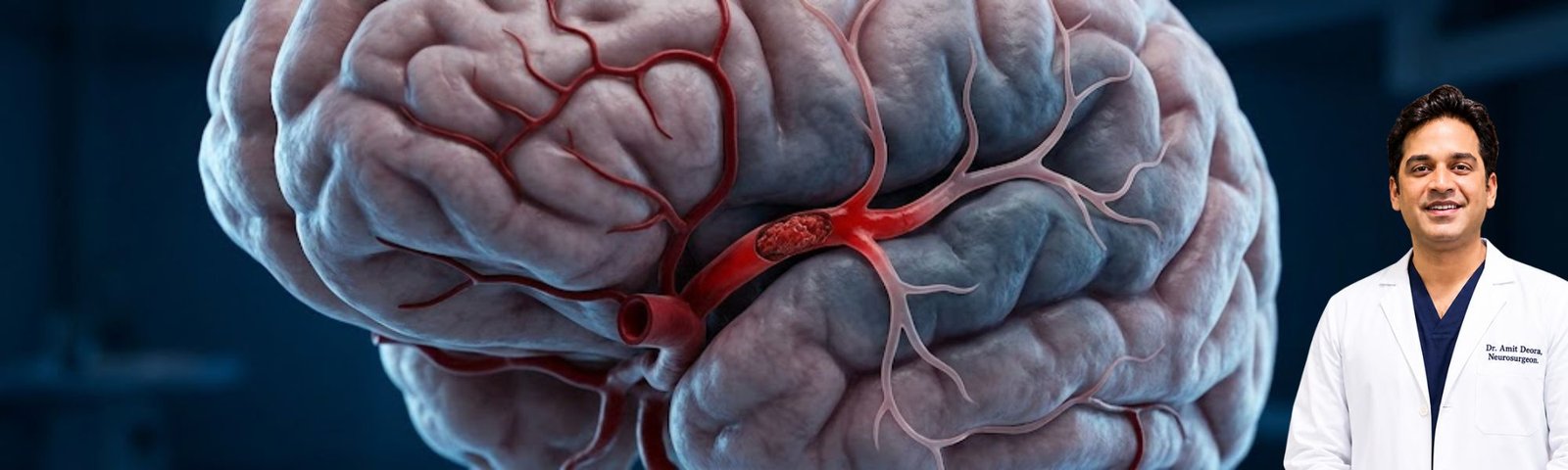
Neurologist in Indore, Dr. Amit Deora explains that a brain stroke is a medical emergency that can affect a person suddenly and may lead to serious complications if treatment is delayed. Understanding its causes, warning signs, treatment options, and prevention can help families respond quickly and make informed decisions. If you are looking for guidance from the best neurologist in Indore, Dr. Amit Deora, knowing the basics of stroke is an important first step toward better brain health.
A brain stroke generally occurs when the blood supply to a part of the brain is interrupted or when a blood vessel inside the brain ruptures. The two major types are ischemic stroke and hemorrhagic stroke.
An ischemic stroke occurs when a blood clot blocks an artery supplying blood to the brain. A hemorrhagic stroke happens when a blood vessel breaks and causes bleeding inside or around the brain.
High blood pressure, diabetes, high cholesterol, smoking, obesity, heart disease, irregular heartbeat, and a previous history of stroke can increase the risk. According to the best neurologist in Indore, Dr. Amit Deora, identifying and controlling these risk factors is an important part of stroke prevention.
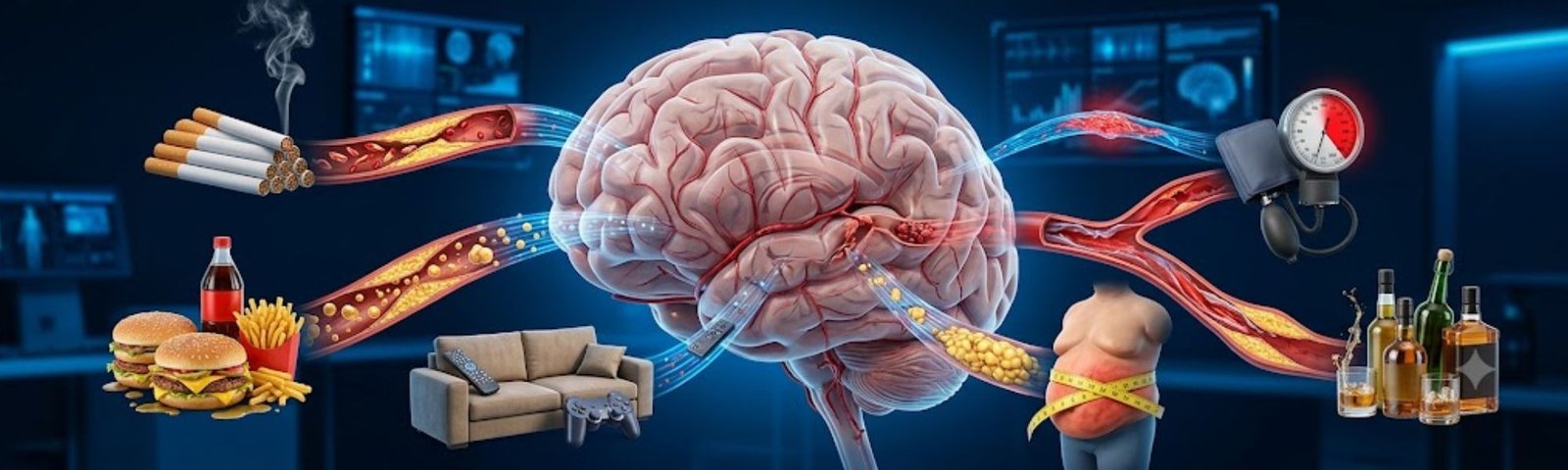
Certain lifestyle habits can gradually damage blood vessels and increase the possibility of stroke. Smoking and tobacco consumption are major concerns because they can affect blood vessels and circulation. Excessive alcohol consumption, lack of physical activity, unhealthy eating habits, and uncontrolled stress may also contribute to cardiovascular risk.
Regularly consuming foods high in salt, unhealthy fats, and processed ingredients can be harmful, particularly when combined with high blood pressure or cholesterol. Ignoring prescribed medicines for conditions such as hypertension, diabetes, or heart disease can also increase risk.
The best neurologist in Indore, Dr. Amit Deora recommends regular health check-ups, appropriate physical activity, balanced nutrition, adequate sleep, and proper management of existing medical conditions.
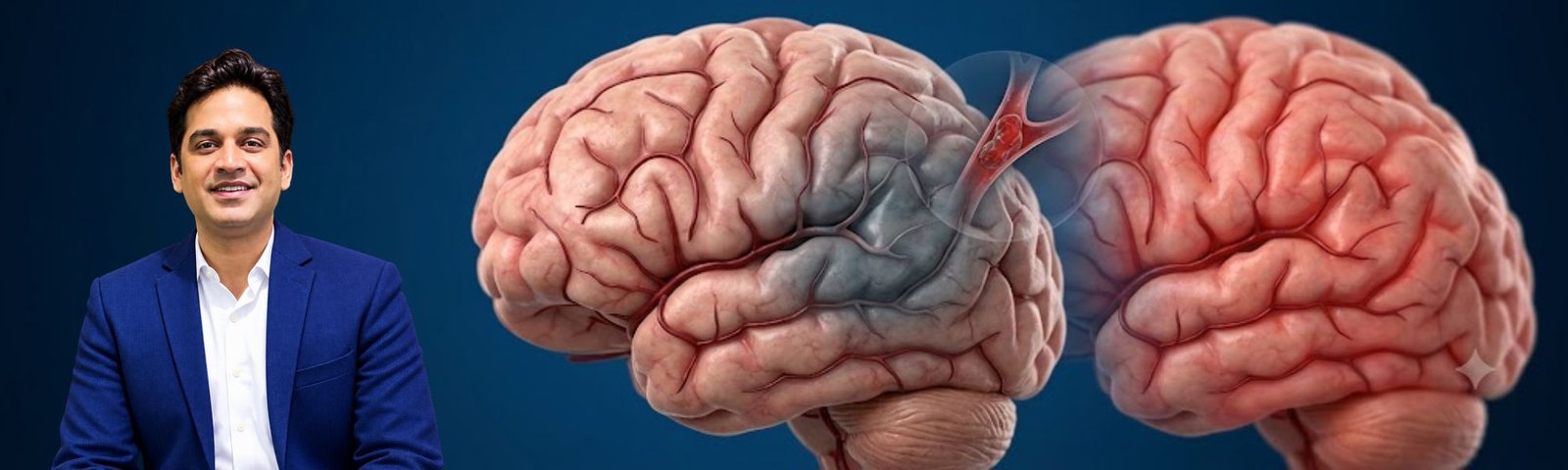
The brain requires a continuous supply of oxygen and nutrients through the blood. When this supply is interrupted, brain cells can become injured within a short period. The effects depend on which part of the brain is affected and how much tissue has been damaged.
A person may suddenly develop weakness or numbness on one side of the body, difficulty speaking, facial drooping, vision problems, dizziness, confusion, or difficulty walking. Severe strokes may affect consciousness and other essential functions.
This is why the best neurologist in Indore, Dr. Amit Deora emphasizes recognizing stroke symptoms quickly and seeking emergency medical care rather than waiting for symptoms to improve.
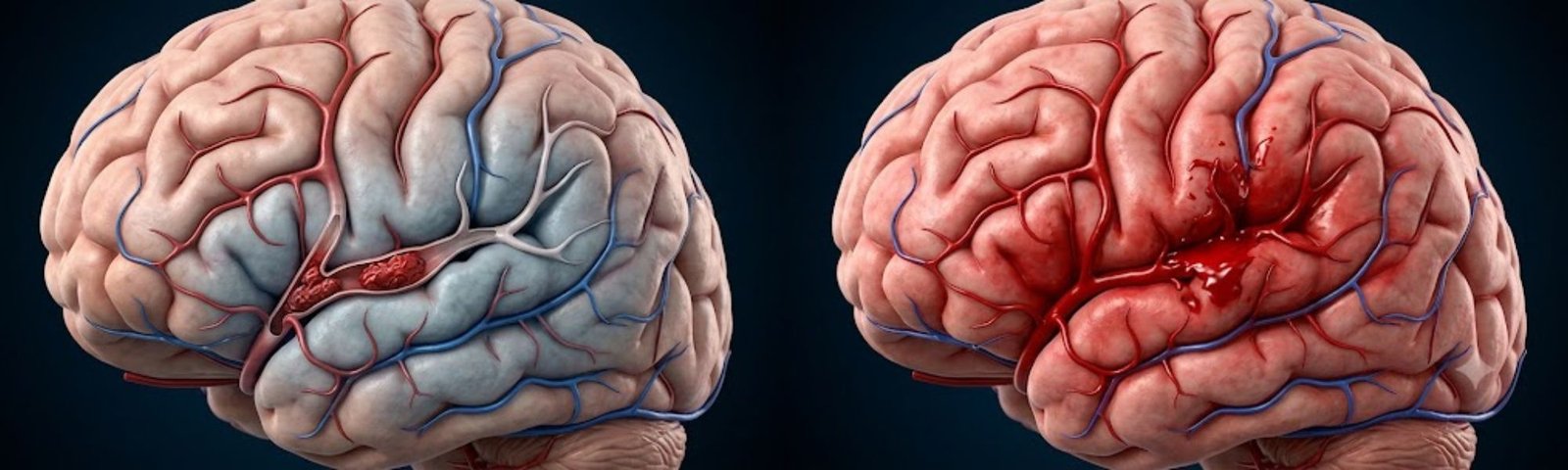
Yes. A stroke can cause temporary or permanent brain damage because affected brain cells may not receive enough oxygen. The extent of injury varies from one person to another.
Some patients recover significantly with timely treatment and rehabilitation, while others may experience long-term problems with movement, speech, memory, swallowing, or coordination. Early diagnosis and treatment can reduce the risk of severe disability in appropriate cases.
The best neurologist in Indore, Dr. Amit Deora stresses that every minute can matter during a stroke, so suspected cases should be treated as emergencies.
Yes. A hemorrhagic stroke occurs when a blood vessel ruptures and causes bleeding in the brain or the surrounding spaces. High blood pressure is one of the important risk factors for this type of stroke, although aneurysms, certain blood-vessel abnormalities, blood-thinning medicines, and other conditions may also play a role.
Brain bleeding can increase pressure inside the skull and may become life-threatening. Immediate medical evaluation and brain imaging are essential to determine the type and severity of the stroke.
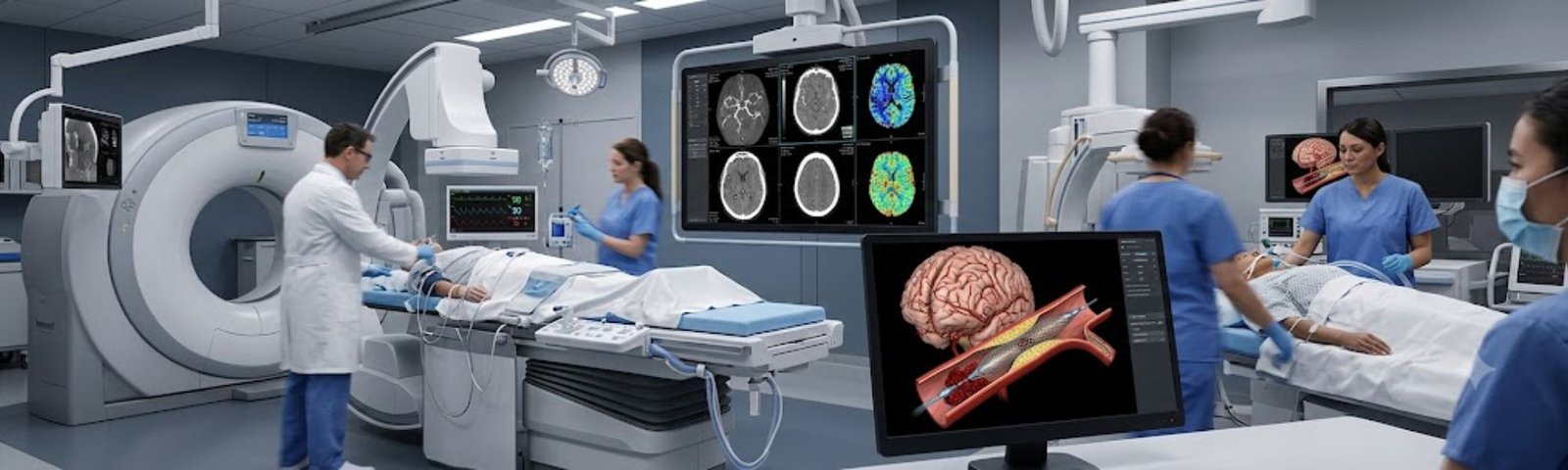
Stroke treatment depends on whether it is caused by a blockage or bleeding. For certain ischemic strokes, doctors may use clot-dissolving medicines when the patient reaches the hospital within an appropriate treatment window and meets the required criteria. In selected cases, mechanical thrombectomy may be performed to remove a large blood clot from a blocked blood vessel.
Hemorrhagic stroke requires a different approach. Treatment may involve controlling blood pressure and brain pressure, managing bleeding, reversing certain blood-thinning medicines, or performing surgery or another procedure when necessary.
The best neurologist in Indore, Dr. Amit Deora can evaluate the patient’s condition, imaging findings, and medical history to determine the most appropriate treatment approach.

If stroke symptoms appear suddenly, do not wait for them to disappear and do not attempt home remedies. Take the person to an emergency medical facility immediately. Remember common warning signs such as Face drooping, Arm weakness, and Speech difficulty (FAST).
Note the approximate time when symptoms first appeared, as this information can be important for treatment decisions. Avoid giving food, drink, or medicines unless advised by a medical professional, particularly if the person has difficulty swallowing or is not fully conscious.
There is no fixed cost for brain stroke treatment in Indore. Expenses can vary depending on the type of stroke, severity, emergency treatment required, investigations, medicines, ICU care, procedures, surgery, hospital stay, and rehabilitation.
For example, treatment involving advanced clot-removal procedures or neurosurgical intervention may cost more than uncomplicated medical management. A patient’s condition must therefore be assessed before providing a meaningful estimate.
For appropriate evaluation and treatment guidance, Neurologist in Indore, Dr. Amit Deora can help patients and families understand the available options based on the individual case. Seeking timely expert care remains one of the most important steps when a stroke is suspected.
