Understanding Spinal Cord Tumors: Causes, Diagnosis, Surgery Risks & Best Doctors to Consult
When it comes to neurological health, the term spinal cord tumor can feel overwhelming. Many patients and families are unsure about what it means, how it develops, and what treatment options are available. This article aims to simplify the topic in a clear, human, and informative way—so you can better understand the condition and make confident healthcare decisions.
What Condition is Called a Spinal Cord Tumor?
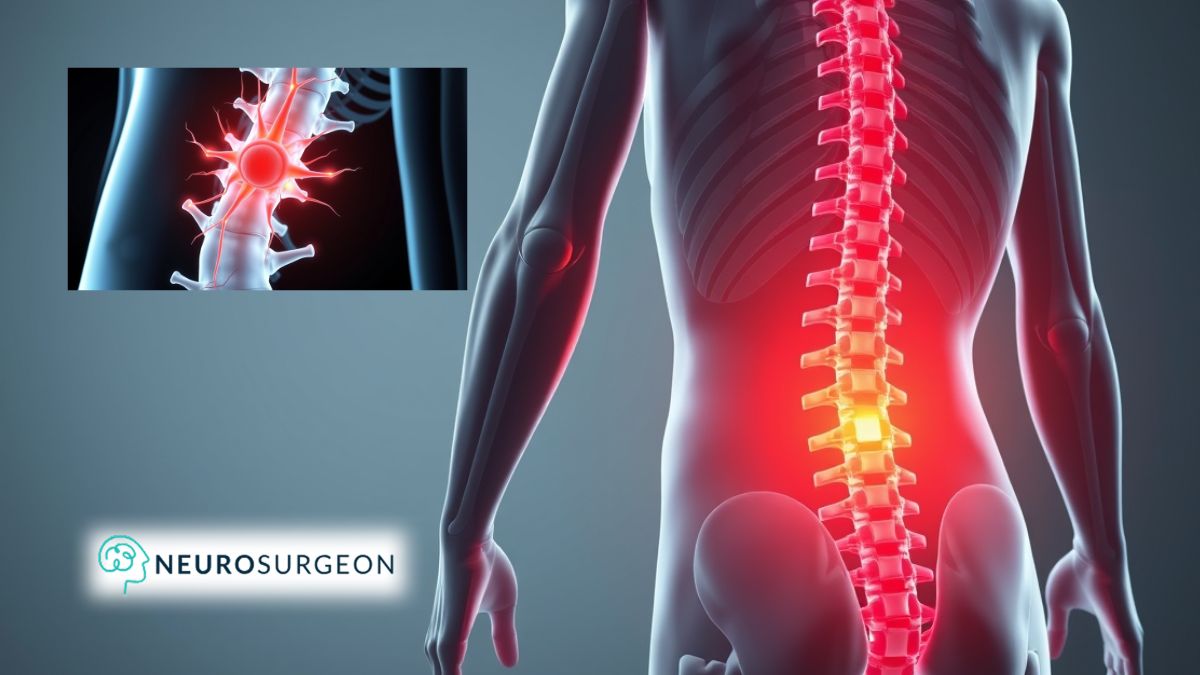
A spinal tumor refers to an abnormal growth of cells in or around the spinal cord. These tumors can develop either within the spinal cord itself or in surrounding tissues such as the nerves, membranes, or bones of the spine.
They are broadly classified into two types:
- Benign tumors (non-cancerous)
- Malignant tumors (cancerous)
Even non-cancerous tumors can be serious because they may press on the spinal cord or nerves, leading to pain, weakness, or difficulty in movement. Early understanding and timely care play a crucial role in preventing complications.
What are the Causes of Spinal Cord Tumor?
The exact cause of spinal tumors is not always known, which can be frustrating for patients. However, several factors are believed to contribute to its development:
- Genetic conditions such as neurofibromatosis
- Abnormal cell growth due to mutations
- Spread of cancer from other parts of the body (metastasis)
- Exposure to radiation over time
In many cases, a tumor may develop without any clear reason. That’s why regular health check-ups and paying attention to symptoms like persistent back pain or numbness are so important.
Who is Most Affected by Spinal Cord Tumors?
Spinal cord tumors can affect people of any age, but certain age groups may be at higher risk::
- Adults between 30 and 60 years
- Individuals with genetic disorders
- Patients with a history of cancer elsewhere in the body
- Those experiencing long-term exposure to radiation
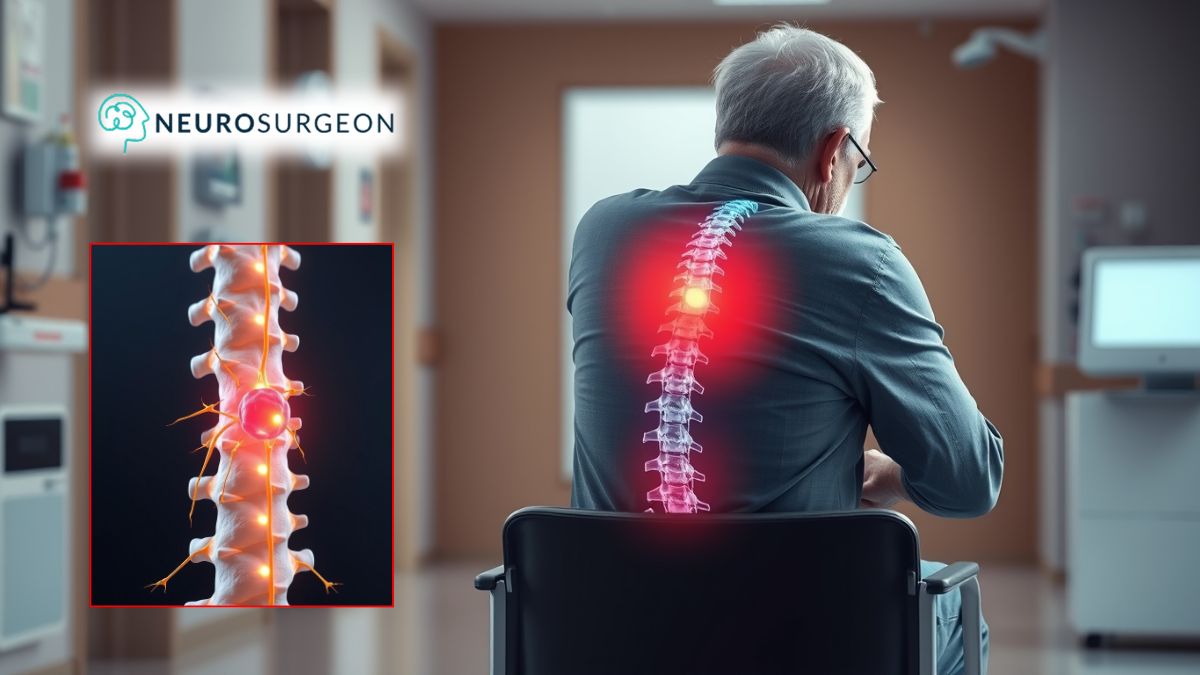
Men and women can both be affected, although the type of tumor may vary. Recognizing early warning signs such as unexplained back pain, muscle weakness, or loss of sensation can help in early diagnosis.
What are the Risks of Spinal Cord Tumor Surgery?
Surgery is often the main way to treat spinal tumors, but like any major surgery, it carries some risk. Understanding these risks helps the patient prepare mentally and physically.
Common risks include:
- Nerve damage, which may affect movement or sensation
- Infection at the surgical site
- Bleeding or complications during surgery
- Temporary or permanent weakness
- Recurrence of the tumor
However, with advancements in neurosurgical techniques and experienced specialists like Dr. Amit Deora, many of these risks can be minimized. Choosing the right surgeon and hospital significantly improves outcomes.

How Can a Spinal Cord Tumor Be Diagnosed?
Early and accurate diagnosis of a spinal tumor is key to successful treatment. Doctors usually use a combination of several methods to confirm the condition:
- MRI (Magnetic Resonance Imaging): The most effective tool for detecting tumors
- CT scans: Helpful in identifying bone involvement
- Biopsy: A small tissue sample is taken to determine the type of tumor
- Neurological examination: To assess reflexes, strength, and sensation
If you experience persistent back pain, difficulty walking, or numbness, it is essential to consult a specialist immediately for proper evaluation.
What is the Treatment for a Spinal Cord Tumor?
Treatment for a spinal tumor depends on its type, size, and location, as well as the patient’s overall health. Individualized treatment is always the best approach.
Common treatment options include:
- Surgery: To remove or reduce the tumor
- Radiation therapy: Used when surgery is not possible or to destroy remaining tumor cells
- Chemotherapy: Mainly for cancerous tumors
- Rehabilitation therapy: Helps patients regain strength and mobility
In many cases, a combination of treatments is used to achieve the best results. Early intervention often leads to better recovery and improved quality of life.
Doctors Who Treat Spinal Cord Tumors
Managing a spinal tumor requires a team of skilled medical professionals. These may include the following:
- Neurosurgeons – specialists who perform brain and spine surgeries
- Neurologists – experts in diagnosing and managing nervous system disorders
- Oncologists – doctors who treat cancer
- Rehabilitation specialists – help in recovery and physical therapy
If you are looking for expert care, consulting an experienced neurosurgeon like Dr. Amit Deora can make a significant difference. His patient-focused approach and expertise in complex spine conditions provide both medical excellence and emotional reassurance to patients and their families.
Final Thoughts
While having a spinal tumor may seem scary, it is treatable with the right information, timely diagnosis, and expert medical care. The key lies in not ignoring symptoms, seeking early consultation, and choosing experienced doctors who understand your condition deeply.
Your spine plays a vital role in your everyday life—taking care of it should never be delayed. If you or a loved one notice any unusual symptoms, don’t wait. Early action can truly change outcomes and restore hope.