Why Your Brain Acts Differently in Winter | Know from Neurosurgeon Dr. Amit Deora
Winter is a season most people enjoy—warm blankets, cozy evenings, and comforting foods. But have you ever wondered why your brain behaves differently during the cold months? Many people report numbness, headaches, tingling sensations, mental fatigue, and even increased anxiety in winter. According to neurosurgeon Dr. Amit Deora, the brain is extremely sensitive to temperature changes, and even small fluctuations can affect how it functions.
In this article, we’ll explore why your brain feels numb in cold weather, why the risk of stroke increases in winter, whether cold-water bathing is harmful, and what you should eat to keep your mind sharp. This information is important for everyone, especially those with existing neurological conditions.

Why Does the Brain Become Numb in the Cold?
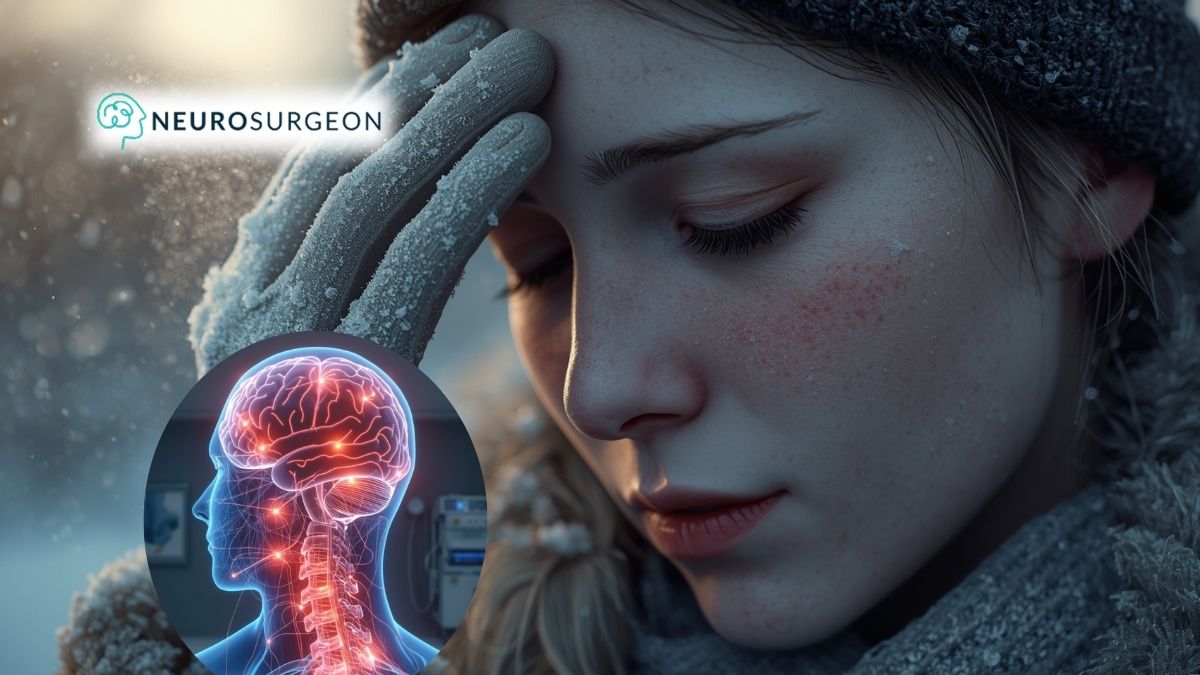
A common question people ask is why the brain or head feels numb when exposed to cold temperatures. Neurosurgeon Dr. Amit Deora explains that numbness occurs because the body automatically redirects warm blood to vital organs when the temperature drops. This reduces blood flow in the scalp, face, and surrounding nerves, causing a temporary numb or “frozen” sensation.
Cold weather also tightens the blood vessels around your head. When this happens, nerves become less responsive, creating a feeling of dullness or pressure. People who already have sinus issues, migraines, or low Vitamin D levels may feel this numbness more intensely during winter.
Why Are Brain Strokes More Common in Winter?
Winter is known as a “high-risk season” for strokes worldwide. According to neurosurgeon Dr. Amit Deora, there are several reasons for this increase:
1. Blood Becomes Thicker in Cold Weather
During winter, dehydration is common because people drink less water. This makes the blood thicker and more likely to clot, increasing the risk of brain stroke.
2. Blood Pressure Rises
Cold temperatures cause blood vessels to constrict. Narrow arteries force the heart to work harder, raising blood pressure — one of the biggest triggers of stroke.
3. Reduced Physical Activity
People tend to exercise less in winter, which affects circulation and increases stroke risk.
4. Higher Risk for Elderly & Heart Patients
Individuals with high cholesterol, diabetes, or previous stroke history are more vulnerable.
That’s why neurosurgeon Dr. Amit Deora advises people with these conditions to be extra cautious during cold months and to maintain proper hydration and warm clothing.
Does Bathing with Cold Water Cause Brain Stroke?
One of the most searched winter questions is: Can cold-water bathing cause a stroke?
The simple answer is — not directly, but it can trigger conditions that lead to one.
Cold water causes a sudden shock to the body, especially in the early morning. This shock can:
-
Spike blood pressure
-
Increase heart rate
-
Constrict blood vessels suddenly
For a healthy person, this reaction may not be dangerous. But for someone with high BP, heart disease, or a history of stroke, sudden cold exposure can be risky.
According to neurosurgeon Dr. Amit Deora, people who are sensitive to cold or have neurological issues should avoid extremely cold showers in winter and instead use lukewarm water.
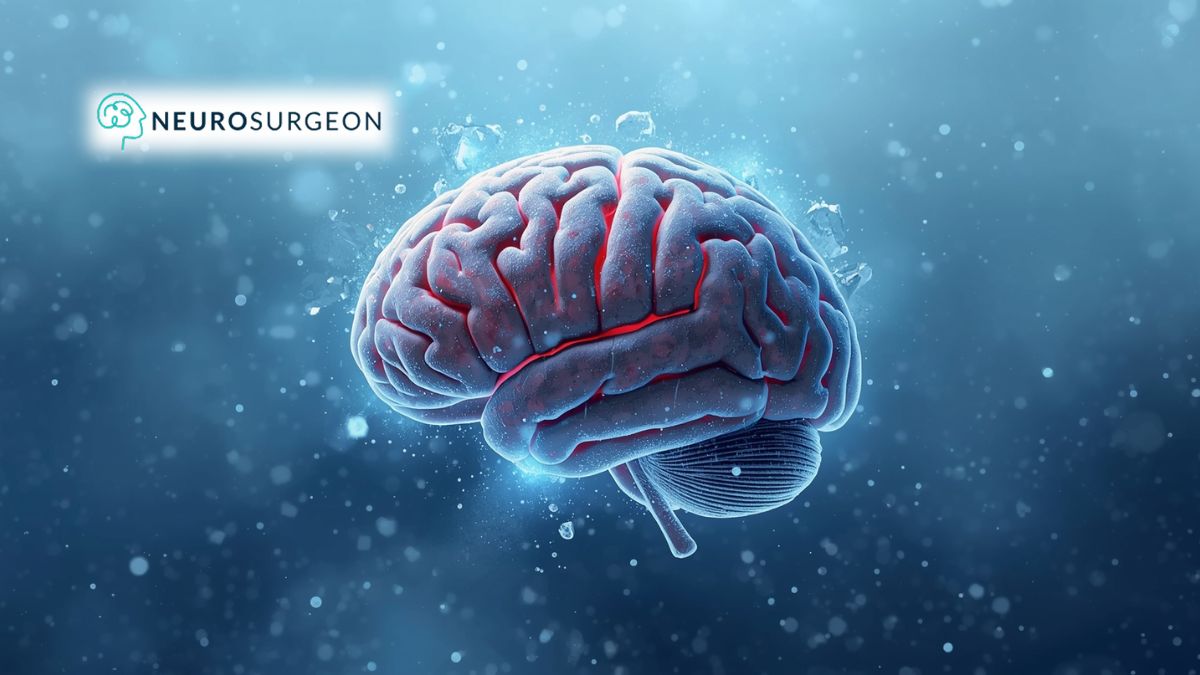
Why Does the Brain Feel Cold and Tingling in Winter?
That tingling or “pins and needles” feeling in your head during winter can be worrying, but it often has simple explanations:
1. Reduced Blood Flow
Cold weather restricts blood flow to extremities and even parts of the head, causing tingling.
2. Nerve Sensitivity
Nerves become more sensitive in fluctuating temperatures, which may create a prickly sensation.
3. Anxiety & Stress
Winter blues, low sunlight, and reduced serotonin can worsen anxiety — which sometimes shows up as tingling.
4. Vitamin Deficiency
Low levels of Vitamin B12 and Vitamin D can cause nerve-related symptoms.
If tingling becomes frequent or severe, neurosurgeon Dr. Amit Deora advises getting a neurological evaluation.
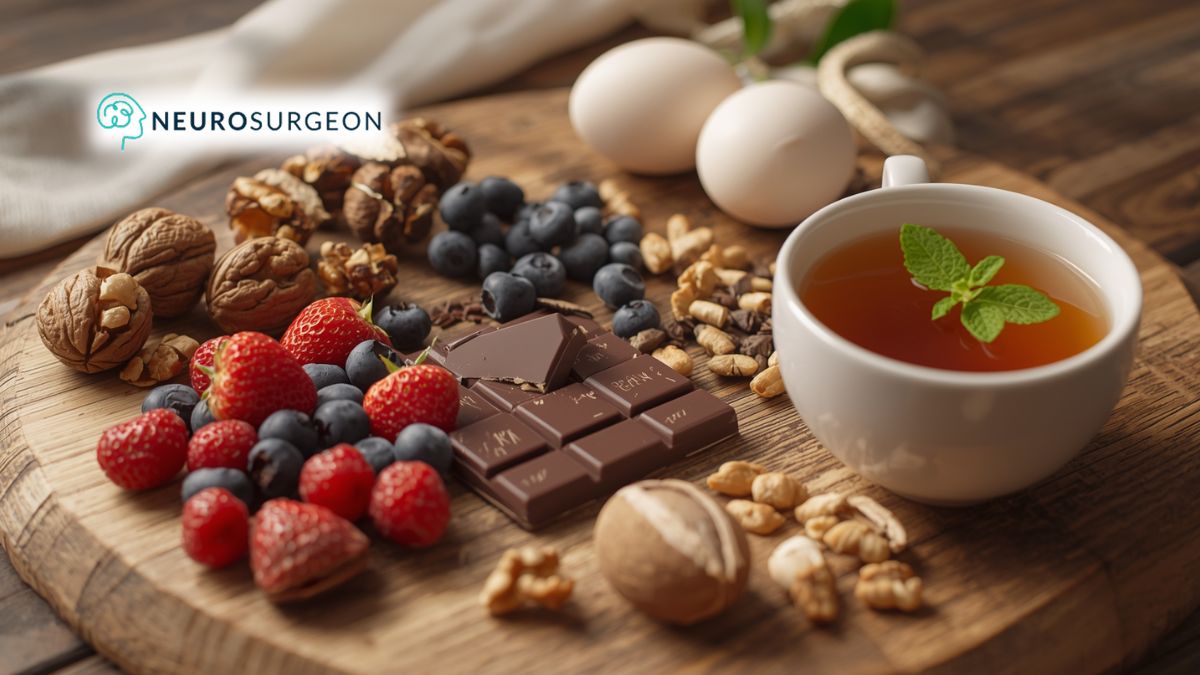
What to Eat to Keep Your Mind Active During Winters
Food plays a major role in maintaining brain activity during cold seasons. According to neurosurgeon Dr. Amit Deora, the right winter diet can improve memory, focus, and overall brain function.
1. Omega-3 Rich Foods
Fish, walnuts, chia seeds, and flax seeds help strengthen nerve function.
2. Vitamin D Sources
Eggs, mushrooms, dairy products, and sunlight exposure support brain health.
3. Warm Herbal Drinks & Soups
These boost circulation, improving oxygen supply to the brain.
4. Fruits Like Oranges & Berries
Rich in antioxidants, they keep the brain active and protect against inflammation.
5. Whole Grains & Millets
These provide slow-release energy to keep you mentally alert throughout the winter day.
6. Dark Chocolate
A small amount improves mood and sharpens concentration.
By following these dietary tips, you support both your physical and neurological health during the winter season.
Final Thoughts
Winter affects the brain more than we realize. From numbness and tingling to increased stroke risk, many cold-weather conditions are linked to changes in blood flow, temperature, and nutritional deficiencies. The key is to stay warm, stay hydrated, eat smart, and maintain regular physical activity.
If you experience consistent numbness, dizziness, severe headaches, or tingling during winter, consulting neurosurgeon Dr. Amit Deora is strongly recommended. Early evaluation ensures better prevention and timely treatment.