Key Insights into Endoscopic Brain Surgery With Neurosurgeon Dr. Amit Deora
Endoscopic brain surgery is transforming the way complex neurological conditions are treated—offering patients faster recovery, smaller incisions, and safer outcomes. Under the experienced guidance of neurosurgeon Dr. Amit Deora, this minimally invasive technique has become a reliable option for many brain-related disorders. In this article, we explore the key aspects of endoscopic brain surgery, how it works, and what patients should know before and after the procedure.
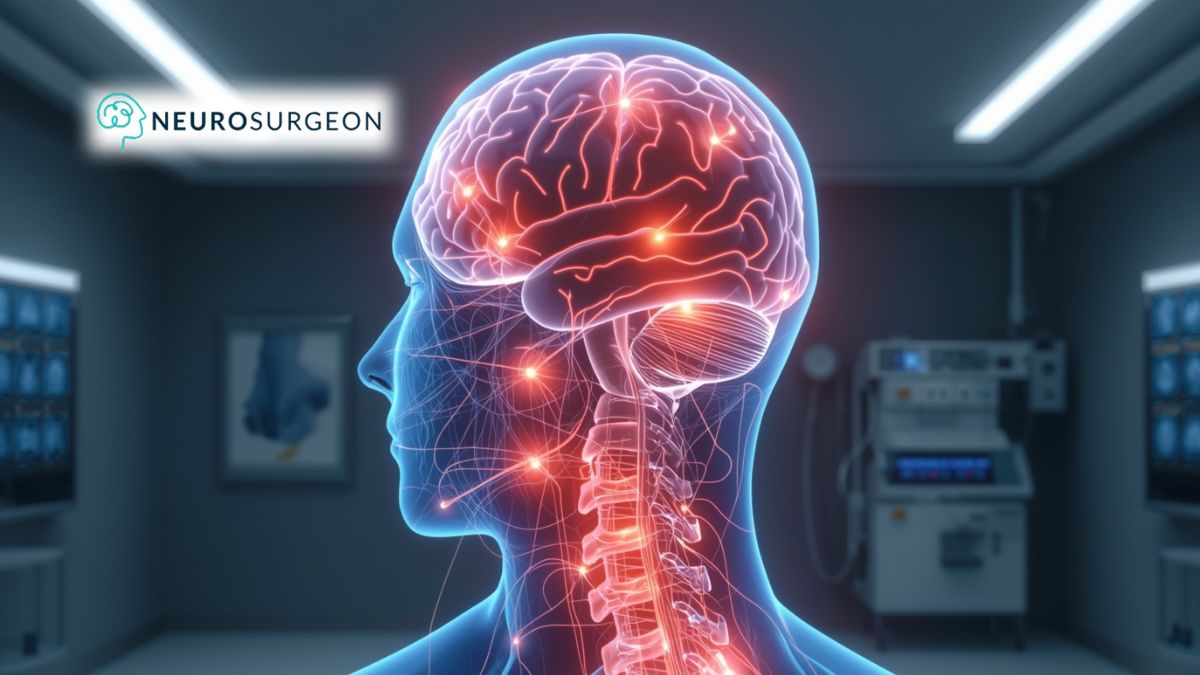
What Is Endoscopic Brain Surgery?
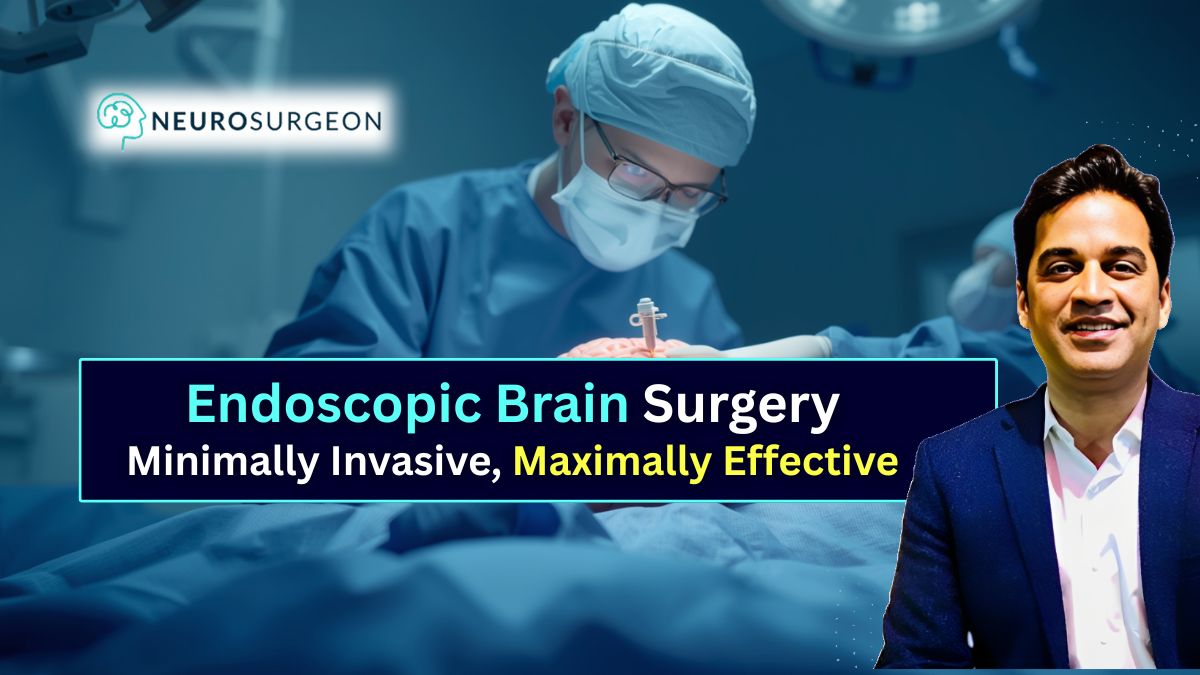
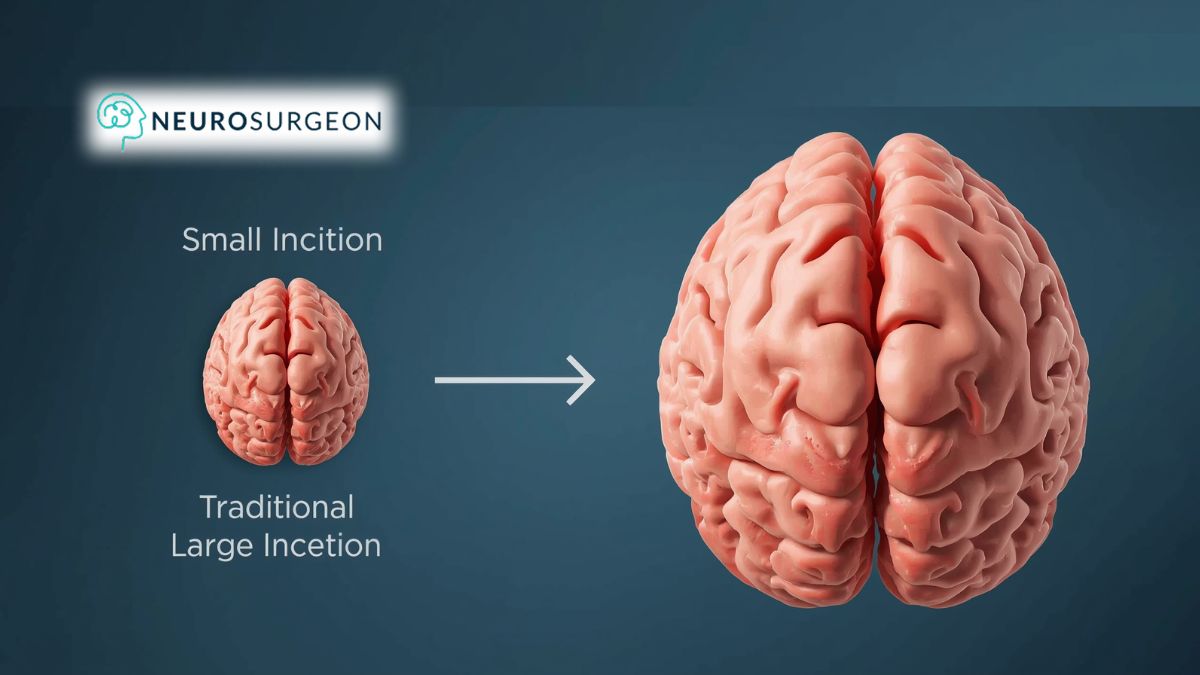
Endoscopic brain surgery is a minimally invasive surgical technique that uses a thin, tube-like instrument called an endoscope. This device is equipped with a high-resolution camera and light, allowing surgeons to access deep brain areas through very small openings. Instead of making large skull incisions, the endoscope lets doctors see and treat brain structures with precision.
Dr. Amit Deora explains that endoscopic brain surgery is especially useful for conditions like pituitary tumors, ventricular tumors, cysts, and certain types of hydrocephalus. Because the approach avoids large cuts, patients experience less pain, minimal blood loss, and quicker recovery.
How Is Endoscopic Brain Surgery Performed?
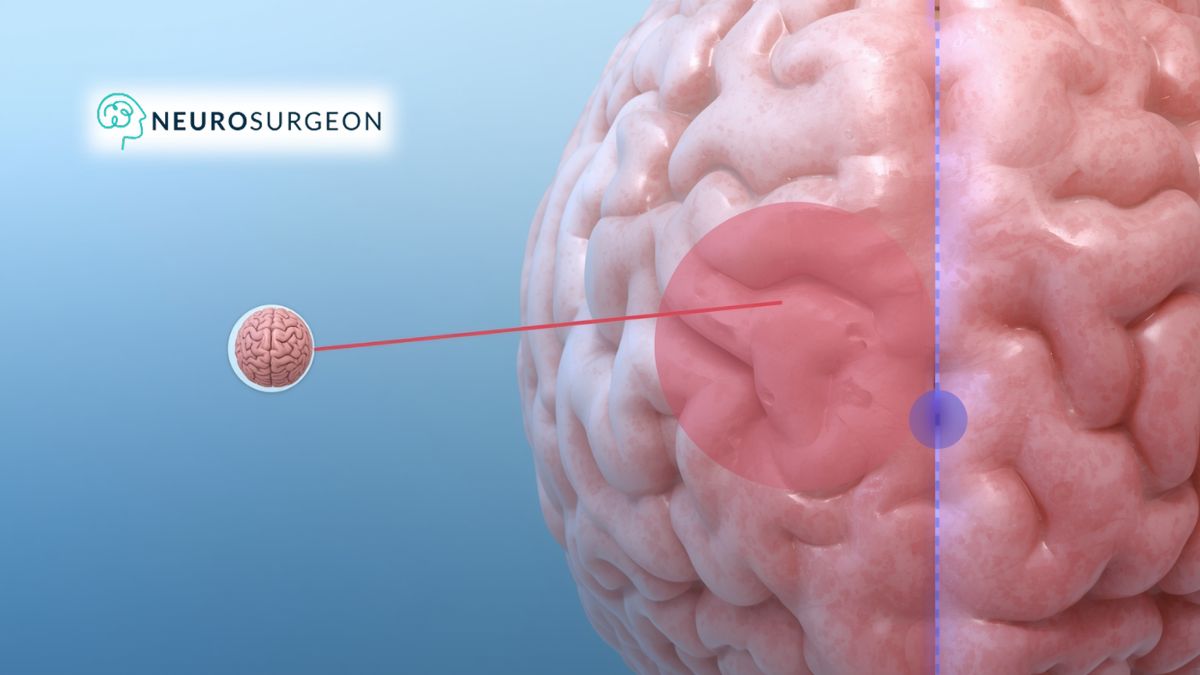
The procedure begins with detailed imaging—usually MRI or CT scans—to create a clear surgical roadmap. Once the patient is under anesthesia, Dr. Amit Deora makes a small opening, sometimes as tiny as a few millimeters. Through this entry point, the endoscope is gently inserted.
The camera projects real-time images onto a monitor, allowing the surgeon to navigate delicate brain areas with accuracy. Using specialized micro-instruments, Dr. Deora removes tumors, drains cysts, or repairs abnormalities—all while preserving healthy tissue.
The beauty of endoscopic brain surgery lies in its precision. Every movement is guided by enhanced visualization, making the surgery safer and less traumatic than traditional open approaches.
How Long Does Endoscopic Brain Surgery Take?
On average, endoscopic brain surgery takes between 2 to 4 hours, depending on the complexity of the condition being treated. Smaller cysts or fluid drainage procedures may be completed sooner, while tumor removal may take more time.
Dr. Amit Deora emphasizes that the goal is not speed but accuracy. The advanced visualization allows surgeons to work meticulously, ensuring the best possible outcome with minimal complications.
What to Eat After Endoscopic Brain Surgery
Post-surgery, the body needs nourishment to heal. While dietary plans may differ slightly depending on individual conditions, most patients are encouraged to:
-
Start with soft and easily digestible foods, such as soups, porridge, or khichdi.
-
Drink plenty of water and clear fluids to stay hydrated.
-
Gradually shift to balanced meals including fruits, vegetables, whole grains, and lean proteins.
-
Avoid heavy, oily, or extremely spicy foods that may cause discomfort.
Since recovery varies, Dr. Amit Deora often recommends personalized dietary advice based on the patient’s overall health.

Can We Take a Cold Shower After Endoscopic Brain Surgery?
It is generally not advisable to take a cold shower immediately after endoscopic brain surgery. Cold water can affect blood circulation and may cause headaches, dizziness, or discomfort in the early recovery phase.
Patients are usually advised to:
-
Wait until the doctor confirms that bathing is safe.
-
Use lukewarm water instead of cold water.
-
Avoid wetting the surgical site until stitches or dressings are fully healed.
Following your neurosurgeon’s post-operative instructions is crucial to avoid infection or complications.
What Precautions Should Be Taken After Endoscopic Brain Surgery?
Recovering from endoscopic brain surgery requires careful attention. Some essential precautions include:
1. Avoid Strenuous Activities
Patients should refrain from heavy lifting, bending, running, or intense physical activity for several weeks.
2. Follow Medication Instructions
Take prescribed medicines on time, especially pain relievers and antibiotics.
3. Keep the Surgical Site Clean
Ensure that dressings remain dry and clean. Any fluid leakage or swelling should be reported immediately.
4. Attend All Follow-Up Appointments
Regular follow-ups with Dr. Amit Deora ensure proper healing and allow early detection of any concerns.
5. Rest Adequately
Your body needs energy to heal. Prioritizing sleep and avoiding mental stress supports faster recovery.
6. Watch for Warning Signs
Severe headaches, fever, vomiting, confusion, or vision changes require urgent medical attention.
These precautions help patients recover smoothly and safely, minimizing the risk of complications.
Conclusion
Endoscopic brain surgery has opened a new chapter in neurosurgical care, offering patients a safer and more effective treatment path. With experts like Dr. Amit Deora, this minimally invasive approach provides hope, faster recovery times, and enhanced precision for various brain conditions. Understanding the procedure, its benefits, and the essential post-operative care empowers patients to make informed decisions about their health.