Understand Brain Hemorrhage: From Early Signs to Recovery and Prevention
When it comes to brain health, even a small delay in recognizing symptoms can make a big difference. Brain hemorrhage, commonly known as brain bleeding, is a serious medical condition that requires immediate attention. Many patients and families often feel confused, scared, and full of questions when they first hear about it. Through this guide, we’ll walk you through everything you need to know—clearly and simply—just as experts like Dr. Amit Deora, a neurosurgeon in Indore, explain to their patients.
Are Brain Hemorrhage and Brain Aneurysm the Same?
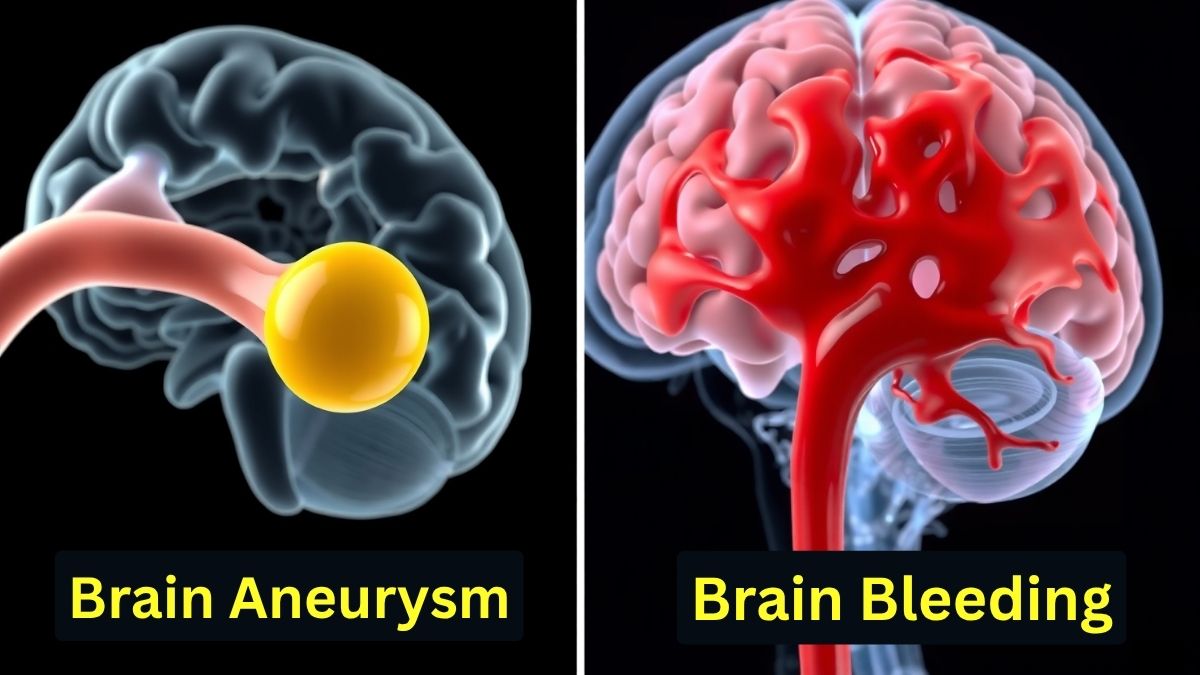
One of the most common questions patients ask is whether brain bleeding and a brain aneurysm are the same. The answer is no.
A brain aneurysm is a weak or bulging area in a blood vessel in the brain. It may exist silently for years without causing any symptoms. However, if this bulge bursts, it can lead to brain bleeding, which is known as a hemorrhage.
So, in simple terms, an aneurysm is a condition that can cause brain bleeding, but they are not identical.
What Are the Symptoms of Brain Bleeding?
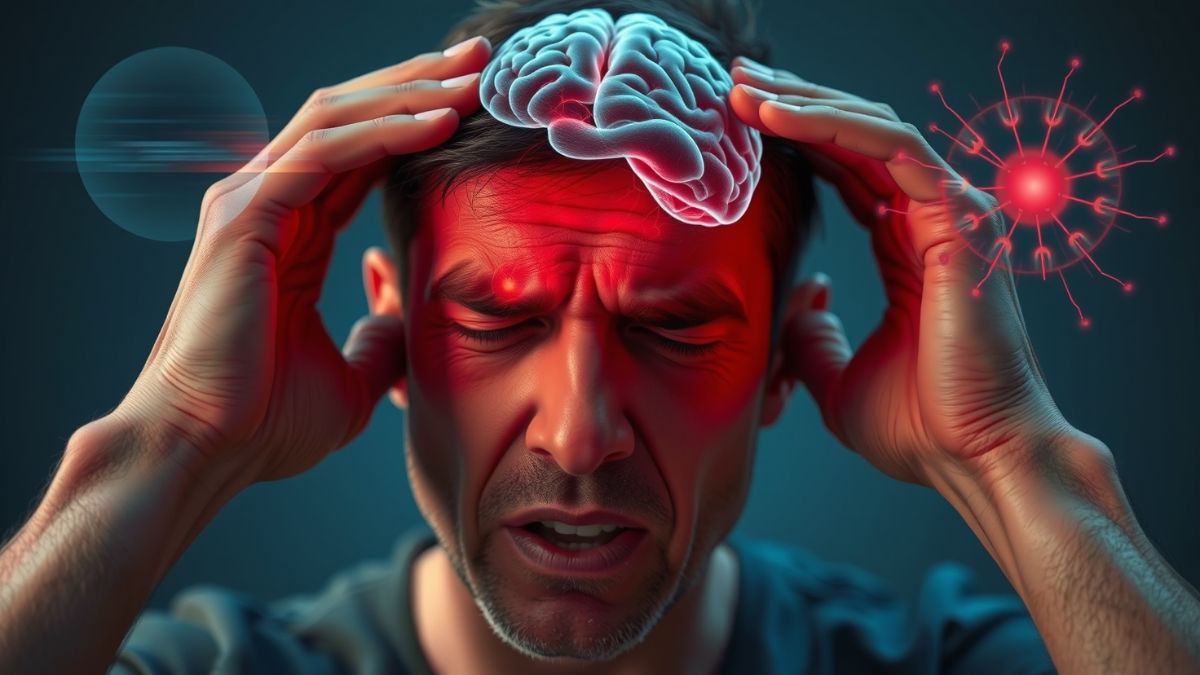
Recognizing symptoms early can save a life. Brain hemorrhage symptoms often appear suddenly and can worsen quickly.
Common signs include:
- Sudden, severe headache (often described as the worst headache ever)
- Weakness or numbness, especially on one side of the body
- Difficulty speaking or understanding speech
- Loss of balance or coordination
- Blurred or double vision
- Seizures
- Sudden confusion or unconsciousness
Indore neurologist Dr. Amit Deora often stresses that if any of these symptoms appear suddenly, it is extremely important to seek immediate medical help.
Is Brain Bleeding Caused by an Injury?
Yes, brain bleeding can be caused by an injury. In fact, trauma is one of the most common causes, especially in younger individuals.
Head injuries from accidents, falls, or sports can damage blood vessels in the brain, leading to bleeding. However, not all brain hemorrhages are due to trauma. High blood pressure, blood vessel abnormalities, or medical conditions can also be responsible.
Can a Brain Hemorrhage in a Healthy Person be Genetic?
In some cases, yes. Even a person who appears completely healthy can have underlying genetic conditions that increase the risk of brain bleeding.
Conditions like aneurysms or vascular malformations can run in families. These may not show symptoms until a complication occurs. That’s why doctors like Dr. Amit Deora recommend regular health check-ups if there is a family history of neurological issues.
Why Does Brain Bleeding Occur from the Ears and Nose?
Bleeding from the ears or nose in cases of brain injury can be alarming. This usually happens when there is a severe head injury, such as a skull fracture.
In such situations, the bleeding may not be directly from the brain but from surrounding structures. However, it can indicate a serious condition and should never be ignored. Immediate emergency care is essential in such cases.
Can Brain Bleeding Damage Brain Nerves?
Yes, brain bleeding can damage brain nerves. When bleeding occurs, it increases pressure inside the skull. This pressure can compress or damage delicate brain tissues and nerves.
The extent of damage depends on the location and severity of the bleeding. In some cases, it may lead to long-term neurological problems such as difficulty in movement, speech, or coordination.
Can Brain Bleeding Cause Memory Loss?
Memory loss is a possible effect of brain hemorrhage. The brain controls memory, thinking, and emotions, so any injury can affect these functions.
Some patients may experience temporary memory issues, while others may face long-term challenges. Recovery varies from person to person, and rehabilitation plays a key role. With proper care and guidance, many patients show significant improvement over time.

What Is the Treatment for a Brain Hemorrhage?
Treatment depends on the severity, cause, and location of the bleeding. The primary goal is to stop the bleeding, reduce pressure in the brain, and prevent further damage.
Treatment options may include:
- Medications to control blood pressure, prevent seizures, or reduce swelling
- Surgery to remove blood clots or repair damaged blood vessels
- Minimally invasive procedures in certain cases
- Intensive care monitoring for critical patients
Dr. Amit Deora carefully evaluates each patient’s condition to decide the best treatment plan. Early intervention often leads to better outcomes.
How Can Brain Bleeding Be Prevented?
While not all cases can be prevented, many risk factors can be controlled with simple lifestyle changes.
Here are some important preventive steps:
- Keep blood pressure under control
- Avoid smoking and excessive alcohol consumption
- Wear helmets and seat belts to prevent head injuries
- Maintain a healthy diet and regular exercise routine
- Manage chronic conditions like diabetes
- Go for regular health check-ups
Prevention is always better than cure, especially when it comes to brain health.
Final Thoughts
Brain hemorrhage is a serious but manageable condition if detected early and treated properly. Understanding the symptoms, causes, and treatment options can help you act quickly in an emergency.
As specialists like Dr. Amit Deora in Indore often guide their patients, awareness is the first step toward protection. If you or your loved ones notice any unusual neurological symptoms, don’t ignore them. Timely medical care can save lives and improve recovery outcomes.
Taking care of your brain today ensures a healthier, safer tomorrow.